Views: 0 Author: Site Editor Publish Time: 2025-11-07 Origin: Site

Have you ever noticed how smoothly a cabinet door swings open? The secret lies in the hinges. Steel cabinet hinge doors play a crucial role in both design and function, ensuring durability and seamless operation. In this post, you'll learn about various hinge types, their importance in cabinet functionality. Discover how to choose the right hinge for your needs and enhance your cabinet's performance and aesthetics.
When selecting hinges for steel cabinets, understanding the variety available helps ensure durability, functionality, and aesthetic appeal. Here are some of the most common hinge types used in cabinet applications:
● Butt Hinges: Traditional, simple, reliable. Consist of two plates joined by a pin. Widely used in interior doors and cabinets. Suitable for heavy doors, easy to install, and cost-effective.
● Concealed (European) Hinges: Hidden from view when the door is closed. Offer precise adjustments, soft-close options, and a sleek look. Popular in modern kitchen and office cabinets.
● European Hinges: Similar to concealed hinges but with greater adjustability and support for frameless cabinets. Support larger opening angles, ideal for maximizing cabinet access.
● Overlay Hinges: Designed for doors that overlay the cabinet frame. Create seamless, modern appearances. Available in full overlay, half overlay, and inset styles.
● Pivot Hinges: Allow doors to rotate around a single point, perfect for tight spaces or unique design features. Support heavier doors and provide a clean, minimalist look.
● Soft-Close Hinges: Equipped with dampers to prevent slamming. Extend cabinet life, reduce noise, and improve user experience.
● Continuous (Piano) Hinges: Span the entire length of the door. Distribute weight evenly, ideal for heavy or high-traffic doors, especially in industrial settings.
● Friction Hinges: Hold doors in any position with adjustable tension. Used in display cabinets or retail environments to keep doors open at desired angles.
● Security Hinges: Designed to prevent removal of the door, enhancing safety. Used in high-security areas or exterior applications.
● Glass Door Hinges: Specially made for glass panels. Ensure stability while allowing smooth movement, common in display cases.
Steel hinges stand out for their strength, durability, and resistance to wear. Compared to hinges made from plastic or aluminum, steel offers superior load-bearing capacity and longevity. Steel hinges are also more resistant to corrosion, especially when coated or made from stainless steel, making them suitable for both indoor and outdoor use.
Materials like brass or bronze provide aesthetic options and corrosion resistance but may not match steel's strength. Aluminum hinges are lightweight and resistant to corrosion but less durable under heavy loads. For steel cabinets, steel hinges are often preferred for their robustness, especially in demanding environments.
Selecting the proper hinge depends on several factors:
● Weight of the Door: Heavy steel doors require hinges with high load capacity, such as ball bearing or continuous hinges.
● Frequency of Use: High-traffic areas benefit from durable hinges like ball bearing or soft-close types.
● Aesthetic Preferences: Concealed hinges provide a sleek look, while surface-mounted hinges showcase hardware.
● Type of Cabinet: Frameless cabinets often use European or concealed hinges, while traditional framed cabinets may use butt hinges.
● Environmental Conditions: Outdoor steel cabinets need corrosion-resistant hinges, such as stainless steel or coated options.
● Functionality Needs: Features like soft-close, self-closing, or adjustable hinges enhance usability and maintenance.
By matching hinge type and material to your specific application, you ensure long-term performance, safety, and visual harmony. Always consider load capacity, environmental factors, and desired aesthetics when making your choice.
When designing steel cabinet hinges, several key factors come into play. First, the weight of the door is critical. Heavy doors demand hinges with higher load capacity and durability. For example, large steel doors or industrial cabinets require hinges that can support substantial weight without sagging or failure. Next, the frequency of use influences hinge choice. High-traffic doors—like those in commercial kitchens or public buildings—need hinges with wear resistance, such as ball-bearing or continuous hinges. Environmental conditions also matter; outdoor applications demand corrosion-resistant materials like stainless steel or coated hinges to withstand moisture and temperature fluctuations. Additionally, the style of the cabinet and its aesthetic goals shape hinge design. Concealed hinges offer a sleek look, while surface-mounted hinges showcase hardware as part of the design. Customization options, like soft-close or self-closing features, further influence hinge specifications to meet specific functionality needs.
Hinge design significantly impacts the overall look of cabinets. Traditional butt hinges are visible and can add a rustic or vintage charm, especially for wooden or classic styles. Conversely, concealed hinges blend seamlessly into the cabinet, creating a modern, minimalist appearance. This unobtrusive look is popular in contemporary kitchens and offices. The finish of hinges also plays a role—polished stainless steel, matte black, or brass finishes can complement cabinet hardware and décor. For high-end furniture, sleek pivot or knife hinges provide a clean, streamlined profile. The choice of hinge can either enhance or detract from the cabinet's visual harmony. For example, using decorative wrap hinges on rustic furniture adds character, while hidden European hinges maintain a minimalist aesthetic in modern cabinetry.
Customizing hinges ensures they fit specific needs perfectly. For instance, heavy-duty industrial cabinets benefit from continuous hinges that distribute weight evenly, preventing sagging over time. For tight spaces, pivot hinges or specialized corner hinges enable doors to swing fully open without obstruction. Healthcare or food environments may require antimicrobial finishes or hinges with soft-close mechanisms to reduce noise and promote hygiene. Glass cabinet doors need hinges designed to hold fragile panels securely while allowing smooth movement. Customization also involves adjusting opening angles—some hinges support wide or full 180-degree openings, ideal for maximizing access. Color-matching hinges to cabinet finishes enhances visual cohesion, especially in high-end projects. Overall, tailored hinge design improves functionality, safety, and aesthetics, ensuring the hardware complements the cabinet’s purpose and style.
Steel hinges stand out for their exceptional strength and resilience. They are ideal for high-traffic, heavy-use environments like commercial kitchens, industrial storage, and outdoor cabinets. The inherent toughness of steel allows these hinges to support substantial weight without bending or breaking. When coated or made from stainless steel, they resist corrosion, rust, and environmental wear. This makes them suitable for outdoor applications exposed to moisture or temperature fluctuations. Steel’s durability reduces the need for frequent replacements, saving time and costs over the lifespan of the cabinet.
To evaluate how well steel hinges perform, consider several key metrics:
● Load Capacity: Steel hinges can support heavy doors, often exceeding 150 pounds depending on the design. Heavy-duty models, like ball-bearing or continuous hinges, distribute weight evenly and prevent sagging.
● Friction and Smoothness: High-quality steel hinges operate smoothly, with minimal resistance. Ball bearings or lubricated pins further enhance this, offering effortless opening and closing.
● Wear Resistance: Steel’s resistance to abrasion and fatigue ensures hinges maintain their function over thousands of cycles. Regular lubrication can extend lifespan even further.
● Corrosion Resistance: Stainless steel hinges resist rust and corrosion, especially important for outdoor or humid environments.
● Ease of Adjustment: Many steel hinges, especially European or concealed types, offer multi-directional adjustments. This helps align doors perfectly after installation or over time.
Despite their robustness, steel hinges can encounter issues if not properly maintained or selected:
● Squeaking or Noise: Often caused by dirt, debris, or lack of lubrication. Applying a silicone-based lubricant can restore smooth operation.
● Rust or Corrosion: Despite resistance, steel hinges exposed to harsh conditions may develop rust. Regular cleaning and applying protective coatings prevent this.
● Sagging or Misalignment: Over time, hinges may loosen or wear out, leading to uneven door hanging. Tightening screws or replacing worn hinges resolves this.
● Stiff or Difficult Movement: Dirt buildup or lack of lubrication can cause stiffness. Cleaning and lubricating the hinge pin usually fixes this.
● Broken or Bent Hinge: Excessive weight or force can damage hinges. Upgrading to heavier-duty hinges or distributing weight with multiple hinges reduces stress.
Proper selection based on application, regular maintenance, and timely repairs ensure steel hinges perform optimally. They provide not only reliable support but also contribute to the overall longevity and aesthetic of cabinets and doors.
Proper installation of steel cabinet hinges is essential for smooth operation and long-term durability. Here's a straightforward process to follow:
1. Measure and Mark: Use a tape measure and pencil to mark hinge locations on both the cabinet frame and door. For overlay doors, account for the desired overlap with the frame. Double-check measurements to ensure symmetry and proper alignment.
2. Drill Pilot Holes: Use a drill with a small bit to create pilot holes for each screw. This prevents wood from splitting and ensures screws go in straight. For concealed hinges, use a 35mm bit to carve out recesses for the hinge cups.
3. Mount Hinges to the Door: Attach the hinge leaves to the door first. For European or concealed hinges, insert the hinge cups into the drilled recesses and secure with screws. For surface-mounted hinges, align the plates and screw directly onto the door surface.
4. Attach Hinges to the Frame: Position the hinges on the cabinet frame, ensuring they align with the door hinges. Secure with screws, tightening firmly but avoiding overtightening, which can strip the screws or damage the wood.
5. Adjust and Test: After mounting, open and close the door to check alignment. Use the hinge's adjustment screws to fine-tune vertical, horizontal, or depth positioning. This step ensures the door sits flush and opens smoothly.
Regular maintenance keeps hinges functioning flawlessly. Follow these simple steps:
● Cleaning: Dust and debris can accumulate in hinge joints. Use a soft brush or compressed air to clean crevices. Avoid harsh cleaners that could damage finishes.
● Lubrication: Apply a silicone-based lubricant or light machine oil to hinge pins or moving parts every few months. This reduces friction, prevents squeaks, and extends hinge life.
● Tighten Screws: Over time, screws may loosen due to frequent use. Periodically check and tighten them with a screwdriver. Loose screws can cause misalignment or sagging.
● Inspect for Damage: Look for rust, corrosion, or bent parts. Replace damaged hinges immediately to prevent further issues.
● Protect Finishes: For outdoor or humid environments, consider applying a protective coating or using stainless steel hinges. This prevents corrosion and maintains appearance.
Even with careful installation, issues can arise. Here are common problems and solutions:
● Door Not Closing Properly: Check for misaligned hinges or uneven mounting. Adjust the hinge screws to correct alignment.
● Squeaking or Noise: Often caused by dirt or lack of lubrication. Clean hinge parts and apply lubricant.
● Hinges Loosening Over Time: Tighten screws and ensure they are not stripped. Use longer or thicker screws if necessary.
● Sagging Doors: Distribute weight evenly by adding additional hinges or upgrading to heavy-duty models. Adjust hinge position to lift the door.
● Hinges Stiff or Difficult to Open: Clean and lubricate. If stiffness persists, inspect for damage or wear and replace if needed.
Following these installation and maintenance practices ensures your steel cabinet hinges remain reliable, functional, and visually appealing for years to come. Proper care reduces costs, minimizes downtime, and keeps your cabinets operating smoothly.
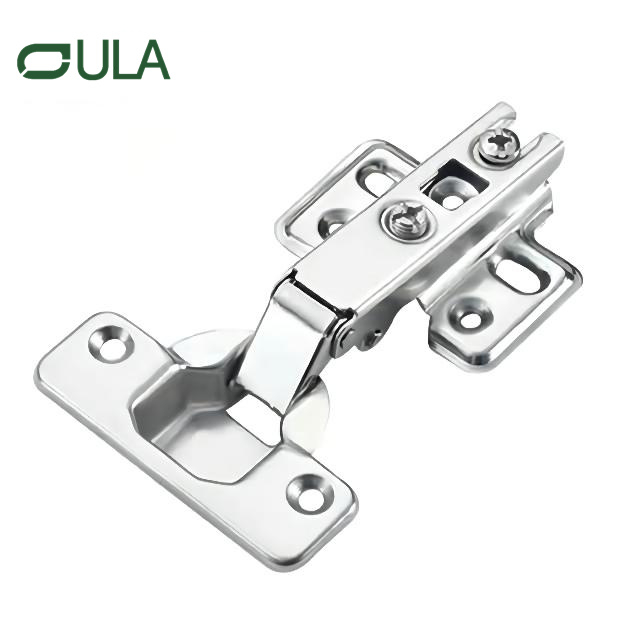
The cost of steel cabinet hinges varies widely depending on their type, size, material quality, and features. Basic butt hinges or surface-mounted hinges tend to be the most affordable, often costing between $2 to $5 per piece. These are simple, reliable, and suitable for standard applications.
In contrast, more advanced hinges like concealed European hinges or soft-close hinges typically range from $8 to $15 each. These hinges offer greater adjustability, smoother operation, and enhanced aesthetics, which justifies their higher price point.
Heavy-duty options such as ball-bearing hinges or continuous (piano) hinges are priced between $10 and $25 per piece, reflecting their durability and load capacity. Security hinges or specialized glass door hinges might cost even more, sometimes exceeding $30 per unit, especially if they include features like tamper resistance or corrosion resistance.
Several factors influence the overall cost and quality of steel cabinet hinges:
● Material Composition: Stainless steel hinges, especially those made from grade 316, cost more but provide superior corrosion resistance suitable for outdoor or humid environments. Cheaper hinges may use zinc-plated steel, which is less resistant to rust.
● Finish and Coating: Finishes like brushed nickel, chrome, or powder coating add to the price but improve aesthetics and durability. Finishes also impact how well hinges resist environmental wear.
● Adjustment Features: Hinges with multi-directional adjustment screws, soft-close mechanisms, or self-closing features tend to be more expensive due to complex manufacturing and added functionality.
● Load Capacity and Size: Larger and heavier-duty hinges designed for substantial doors or industrial use come at a premium. These hinges often feature reinforced construction and additional support elements.
● Brand and Certification: Reputable brands with certifications or warranties usually command higher prices. They guarantee quality, reliable performance, and longer lifespan.
Investing in higher-quality steel hinges often results in better long-term value. Cheaper hinges may save money upfront but tend to wear out faster, requiring frequent replacements. This leads to higher costs over time, especially in large-scale projects.
For example, a $3 hinge might last three to five years in a residential setting, but a $12 hinge could last ten or more years, especially if made from premium stainless steel with a durable finish. The initial higher expense pays off through reduced maintenance, fewer replacements, and less downtime.
In commercial or industrial environments, the benefits of premium hinges become even more apparent. Heavy-use applications demand hinges that can withstand constant operation without failure. The cost difference is justified by the savings in repairs, replacements, and operational disruptions.
Summary Table: Cost Range and Key Features
Hinge Type | Price Range | Key Features | Best For |
Basic Butt or Surface Hinge | $2 - $5 | Simple, reliable, minimal features | Interior doors, light-use cabinets |
Concealed European Hinge | $8 - $15 | Adjustable, soft-close, sleek look | Modern kitchens, high-end cabinetry |
Heavy-Duty Ball Bearing | $10 - $25 | High load capacity, smooth operation | Commercial, industrial doors |
Continuous (Piano) Hinge | $10 - $25 | Distributes weight evenly, durable | Heavy doors, industrial applications |
Security or Glass Hinges | $15 - $40+ | Tamper-resistant, specialized for glass | Security doors, display cabinets |
Choosing hinges involves balancing initial costs against durability, functionality, and long-term savings. High-quality hinges may cost more now but often pay for themselves through enhanced performance and longevity. Always consider your specific application, environment, and load requirements when selecting hinges to maximize value and performance.
Emerging trends in hinge technology focus on durability, aesthetics, and functionality. Innovation plays a crucial role in enhancing hinge design, offering features like soft-close and corrosion resistance. When choosing the right steel cabinet hinge, consider factors like load capacity and environmental conditions. OULA's steel hinges stand out with their superior strength and longevity, making them ideal for various applications. By prioritizing quality and innovation, OULA ensures its products provide exceptional value and performance.
A: A Steel Cabinet Hinge Door refers to doors equipped with steel hinges, ensuring durability and smooth operation in various cabinet types, including kitchen and office settings.
A: Steel Cabinet Hinge Doors enhance functionality by offering robust support, smooth movement, and options like soft-close features, making them ideal for high-traffic areas.
A: Steel hinges are preferred for their strength and corrosion resistance, outperforming materials like plastic or aluminum in durability and load capacity.
A: Common issues include squeaking, rust, or misalignment, often resolved through regular maintenance like lubrication and tightening screws.
A: Steel Cabinet Hinges cost between $2 to $40+, depending on features and quality, offering options from basic to heavy-duty applications.


