Views: 0 Author: Site Editor Publish Time: 2025-11-02 Origin: Site

Imagine opening your kitchen cabinet, and the door swings smoothly without a squeak. This seamless motion is often thanks to slide-on steel furniture hinges. These hinges are pivotal in modern furniture design, providing durability and an elegant aesthetic by keeping hardware hidden. In this post, you'll learn about their definition, significance in contemporary furniture, and various applications, from home to commercial settings.
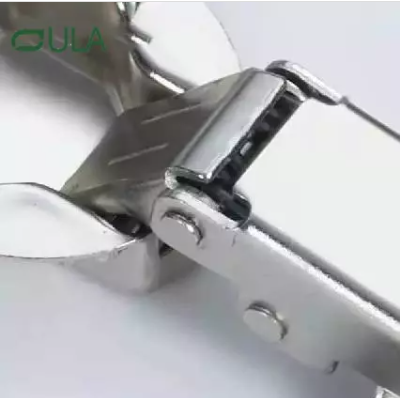
A slide-on steel furniture hinge consists of several key parts. The main components include the hinge arm, the mounting plate, screws, and adjustment features. The hinge arm is the part that attaches to the door, while the mounting plate secures to the cabinet frame or wall. Screws connect these parts, allowing the hinge to be firmly fixed in place. Some slide-on hinges also incorporate adjustment screws, such as cam screws or eccentric cams, which enable precise alignment of the door after installation.
The operation of slide-on hinges is straightforward. During installation, a 35mm or 26mm hole is drilled into the back of the cabinet door. The mounting plate is attached to the cabinet frame, and the hinge arm is secured to the door. To assemble, the hinge arm is simply slid onto the mounting plate. Once in position, a screw is tightened to lock the hinge securely. This sliding mechanism provides a stable, concealed connection that allows the door to open and close smoothly. The design ensures the hardware remains hidden when the door is closed, maintaining a clean aesthetic.
Compared to other hinge types, slide-on hinges offer a balance of simplicity and durability. Unlike clip-on hinges, which snap onto the mounting plate without screws, slide-on hinges require manual sliding and securing with screws. This makes them more permanent and less prone to accidental detachment over time.
In contrast to the quick attachment of clip-on hinges, slide-on hinges take a few extra steps during installation but provide a more robust connection. They are generally less expensive than clip-on hinges due to their simpler design and fewer moving parts. Additionally, slide-on hinges are suitable for a wide range of applications, including full overlay, half overlay, and inset doors, thanks to their adjustable features.
The choice between slide-on and other hinges depends on project needs. For instance, if frequent door removal is necessary, clip-on hinges might be preferable. However, for long-term, stable installations, slide-on hinges excel due to their secure fit and straightforward maintenance.
Slide-on steel hinges are a popular choice for kitchen cabinets due to their durability and clean look. They allow smooth, quiet opening and closing of doors, essential in busy kitchens. These hinges are concealed, meaning they stay hidden when doors are closed, enhancing the sleek, modern aesthetic. They work well with various door overlays—full, partial, or inset—making them versatile for different cabinet styles. Their robust steel construction ensures they withstand frequent use and heavy doors, reducing wear over time.
Installation is straightforward: a 35mm or 26mm hole is drilled into the cabinet door's back, and the hinge arm slides onto the mounting plate secured inside the cabinet. The sliding mechanism locks securely with a screw, providing a stable connection. This design minimizes misalignment issues, making it ideal for DIY projects or professional installations.
Slide-on hinges also support adjustable features, such as cam screws or eccentric cams, allowing fine-tuning of door alignment after installation. This flexibility ensures perfect fit and function, even if initial measurements are slightly off. Their affordability and simplicity make them a go-to for many homeowners upgrading or building new kitchen cabinets.
In bathrooms, slide-on steel hinges serve both functional and aesthetic purposes. They are designed to handle humid environments, thanks to their steel construction, which resists rust and corrosion. Many bathroom vanity hinges are concealed, maintaining a clean look and preventing water from seeping into hinge mechanisms, which could cause rust over time.
These hinges are often used in frameless and framed vanity cabinets. They support lightweight to medium-weight doors, providing smooth operation. Adjustability features help align doors precisely, preventing sagging or misalignment caused by humidity or frequent use.
Installation involves similar steps to kitchen cabinets: drilling holes, attaching the mounting plate, and sliding the hinge arm into place. Because bathrooms often have limited space, the compact design of slide-on hinges helps maximize accessibility and appearance. They also allow for soft-close features, reducing noise and preventing damage from slamming doors, which is especially beneficial in shared living spaces.
Slide-on hinges are increasingly popular in bedroom wardrobes, especially those with modern, minimalist designs. They enable full or partial overlay doors to open smoothly without visible hardware, maintaining a clean, streamlined look. These hinges are suitable for both large wardrobe doors and smaller cabinet compartments.
Their concealed nature keeps the hardware hidden, which enhances aesthetics. The ease of installation and adjustment makes them ideal for custom wardrobe projects. They support various door sizes and weights, provided the hinges are rated accordingly.
In wardrobes, durability is critical due to frequent use. Steel slide-on hinges provide the strength needed to withstand repeated opening and closing. Many models also incorporate soft-close mechanisms, preventing doors from slamming shut, thus reducing wear and tear.
Installation involves drilling precise holes, attaching the mounting plates, and sliding the hinge arms onto the plates. Once secured, the doors operate smoothly, with adjustments available for perfect alignment. Their reliable performance and sleek appearance make them a top choice for modern bedroom furniture.
Slide-on steel hinges play a vital role in office furniture, especially for desks, filing cabinets, and conference room storage. Their concealed design maintains a sleek, professional look, hiding hardware from view. These hinges support heavy doors and drawers, ensuring durability for daily use. Easy installation and adjustment help furniture manufacturers and office fitters achieve precise alignment, reducing post-installation issues. Soft-close or self-closing features are common, preventing slamming and prolonging furniture lifespan. Their strength and reliability make them ideal for high-traffic environments where furniture must withstand frequent opening and closing.
In retail stores, slide-on hinges are essential for display cases, jewelry drawers, and product showcases. They enable smooth, silent operation, which enhances customer experience. Their concealed nature keeps displays looking clean without visible hardware, aligning with modern aesthetic standards. Retailers often prefer slide-on hinges because they allow quick assembly and maintenance. These hinges support lightweight to medium-weight doors, making them suitable for glass or acrylic displays. Some models include soft-close features, preventing abrupt closures that could damage delicate products. Their durability and ease of use help maintain a professional, attractive shopping environment.
Medical facilities rely heavily on slide-on steel hinges for storage cabinets, medication carts, and specialized equipment drawers. These hinges support heavy, often sterilized, or sensitive items. They are designed to withstand frequent use and rigorous cleaning processes, including exposure to disinfectants and humidity. Telescopic and two-way slides are common, allowing smooth extension even in tight spaces. Soft-close or self-closing mechanisms prevent sudden slamming, reducing noise and potential damage. Their robustness and precise adjustment capabilities ensure that medical staff can access supplies quickly and efficiently, maintaining hygiene standards and operational safety.
Slide-on steel hinges are known for their exceptional durability. Made from high-quality steel, they can withstand frequent use, heavy doors, and harsh environments. This strength ensures that your cabinets and furniture remain functional over time, even with daily opening and closing. Steel's robustness also resists warping, cracking, or breaking, making these hinges ideal for both residential and commercial applications where longevity matters.
One of the key advantages of slide-on hinges is their straightforward installation process. They are designed to slide onto a pre-drilled mounting plate, usually with minimal tools required. This simplicity reduces installation time—perfect for DIY enthusiasts or professional installers aiming for efficiency. Additionally, many models include adjustment screws, allowing for quick fine-tuning of door alignment after installation. This flexibility ensures doors sit perfectly, enhancing both appearance and functionality.
Compared to other hinge types, slide-on steel hinges generally come at a lower cost. Their simple design means fewer parts and less complex manufacturing, translating into savings for manufacturers and consumers. They offer a reliable, long-lasting solution without a hefty price tag, making them especially attractive for large-scale projects like housing developments, rental properties, or budget renovations. Their affordability doesn't compromise quality; they deliver solid performance at a reasonable price.
Installing slide-on steel furniture hinges is straightforward but requires the right tools for a smooth process. Typically, you'll need:
● Drill with 35mm and 26mm hole saw bits
● Screwdriver (manual or electric)
● Measuring tape or ruler
● Pencil or marker for marking positions
● Level to ensure proper alignment
● Clamps (optional, for stability)
Having these tools ready before starting helps ensure a quick, accurate installation.
1. Measure and mark: Determine the placement of hinges on the cabinet door and frame. Use the measuring tape and pencil to mark the positions, typically 3 inches from the top and bottom edges of the door.
2. Drill holes: Using the drill with a 35mm or 26mm hole saw, carefully drill the cup holes into the back of the cabinet door at the marked points. Ensure the drill is perpendicular to avoid angled holes.
3. Attach mounting plates: Secure the mounting plates to the inside of the cabinet frame or wall using screws. Make sure they are level and aligned with the door hinges.
4. Install hinge arms: Attach the hinge arms to the cabinet door by screwing them into the drilled cup holes.
5. Slide hinges onto plates: Align the hinge arms with the mounting plates and slide them into place. Once properly seated, tighten the locking screw to secure the hinge.
6. Check alignment: Use a level to verify that the door is straight. Adjust the hinge screws if your hinges have adjustment features to fine-tune the door position.
7. Test the door: Open and close the door several times to ensure smooth operation. Make any necessary adjustments using the hinge screws.
● Regular cleaning: Wipe hinges with a soft cloth to remove dust and debris. Avoid harsh chemicals that could corrode steel.
● Lubrication: Apply a small amount of silicone spray or light oil to moving parts every 6-12 months. This keeps hinges operating smoothly and reduces squeaking.
● Check screws periodically: Over time, screws can loosen due to regular use. Tighten any loose screws with a screwdriver to maintain stability.
● Adjust for alignment: If doors sag or misalign, use the hinge’s adjustment screws. Most slide-on hinges offer horizontal, vertical, and depth adjustments. Turn screws clockwise or counterclockwise as needed to perfect the fit.
● Inspect for rust or damage: Especially in humid environments, steel hinges may develop rust. If corrosion appears, consider replacing the hinge or applying a rust-inhibiting finish.
● Avoid over-tightening: When adjusting screws, do not overtighten, as this can strip threads or damage the hinge.
Following these tips ensures your slide-on steel hinges remain functional, secure, and aesthetically pleasing for years to come. Proper installation and routine maintenance extend the life of your furniture and keep doors operating smoothly.
When selecting slide-on steel hinges, several key factors help ensure you get the best fit for your project. First, consider the door weight and size. Heavier doors need hinges with higher load capacities and robust steel construction. Next, think about the door overlay style—full overlay, half overlay, or inset—as each requires different hinge types and mounting methods.
Another crucial aspect is the adjustability features. Hinges with cam screws or eccentric cams allow for fine-tuning door alignment after installation, saving time and effort. Compatibility with your cabinet material also matters; steel hinges work well with wood, MDF, or particleboard, especially in humid environments where rust resistance is vital.
Finally, evaluate the installation complexity. Some hinges are designed for quick, tool-free attachment, ideal for DIY projects, while others may require more precise drilling and fitting, suited for professional installers.
Matching hinges to your furniture style enhances overall aesthetics and functionality. For modern, minimalist designs, concealed slide-on hinges provide a clean, seamless look. They stay hidden when doors are closed, making the furniture appear sleek and uncluttered.
In contrast, traditional or vintage styles might incorporate exposed hinges, like butt hinges, which are visible and can serve as decorative elements. However, since the focus here is on slide-on hinges, selecting models with a smooth, concealed profile aligns best with contemporary aesthetics.
The door overlay also influences hinge choice. Full overlay hinges suit cabinets where doors cover the entire frame, creating a flush surface. Half overlay hinges work well when doors cover only part of the frame, leaving a visible edge. Inset hinges are ideal for doors sitting flush within the cabinet frame, offering a flush finish.
Slide-on steel furniture hinges are essential in home and commercial settings, offering durability and concealed aesthetics. They are versatile, supporting various door styles and ensuring smooth operation. These hinges are vital in kitchens, bathrooms, and offices, enhancing functionality and design. As furniture design evolves, the demand for reliable, adaptable hinges like these will grow. OULA offers high-quality slide-on hinges, providing value through robust construction and ease of installation, meeting diverse needs in modern furniture design.
A: A Slide-On Steel Furniture Hinge is a type of hinge used in furniture that allows for easy installation by sliding onto a mounting plate, providing a stable and concealed connection.
A: Slide-On Steel Furniture Hinges work by attaching the hinge arm to the door and sliding it onto a mounting plate secured to the cabinet, then locking it with a screw for stability.
A: Slide-On Steel Furniture Hinges offer durability, ease of installation, and a concealed design, making them ideal for long-term, stable installations.
A: Yes, Slide-On Steel Furniture Hinges are generally more affordable than other types due to their simpler design and fewer moving parts.
A: You can adjust a Slide-On Steel Furniture Hinge using its cam screws or eccentric cams to fine-tune the door alignment after installation.


