Views: 0 Author: Site Editor Publish Time: 2026-04-16 Origin: Site
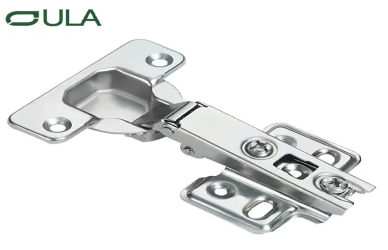
You can replace old hinges with modern steel furniture hinges easily. Steel hinges last longer and resist rust. They also make your furniture look new and strong. You only need simple tools and a few steps to get started. If you want quality, look for options like the OULA 60G Hinge. This hinge gives you smooth movement and fits many types of furniture.
Changing old hinges to modern steel hinges makes furniture stronger and stops rust. This helps your furniture stay good for a long time.
Get tools like a drill, screwdriver, and tape measure before you start. This helps you change the hinges easily.
Measure your old hinges with care so you pick the right size steel hinges. This stops gaps and makes sure the hinges fit well.
Take off old hinges safely so you do not break your furniture. Mark the doors so you can put them back easily.
Clean and oil the hinges often to keep them working well. This makes the hinges last longer.
Before you start replacing old hinges, you need to gather the right tools and materials. Having everything ready will help you work faster and avoid mistakes. You do not need many special items. Most of these tools are common in many homes.
You will use a few basic tools for this project. Each tool helps you complete a different step. Here is a table to help you see what you need:
A drill helps you make new holes if needed. A screwdriver lets you remove old screws and attach new ones. You use a tape measure to check the size of your old hinges and the space for new steel furniture hinges. A pencil marks where you want to place the new hinges. A combination square and a small level tool help you keep everything straight and even.
Tip: If you want to install concealed hinges, you may need a cup hole saw and a concealed hinge jig. These tools help you make the right holes for the hinge cup.
You need a few materials to finish the job. Make sure you have enough hinge screws and wood screws. These hold the new hinges in place. If you plan to use steel furniture hinges, check that you have the right size for your cabinet or door. You may also need a chisel if you must adjust the wood for a perfect fit.
You can find these tools and materials at most hardware stores. Many stores sell kits that include screws with the hinges. Always check the package to make sure you have everything before you start.
You need to prepare your workspace before you start removing old hinges. This step helps you stay safe and keeps your furniture in good shape.
Wear protective gloves and goggles. These protect your hands and eyes from sharp edges and flying debris.
Work slowly and carefully. Rushing can cause mistakes or damage.
Use gentle pressure when you handle stubborn parts. Too much force can crack wood or bend metal.
Gather all your tools and materials in one place. This saves time and keeps your workspace organized.
Tip: Mark the hinge positions with a pencil before removal. This helps you avoid misalignment when you install new hinges.
Follow these steps to remove old hinges from wooden furniture without causing damage:
Label each cabinet door with painter’s tape. This makes it easy to return doors to their correct spots.
Lay down a drop cloth to protect surfaces and catch debris.
Open the door and unscrew the hinges. Ask someone to hold the door steady if it is heavy.
Remove the hinges from the cabinet. Group them if you have different types.
Always use the correct screwdriver and drill bits. Using the wrong tools can strip screws or damage wood. Use a manual screwdriver for better control.
Rusted hinges can be tricky. You can remove them without harming the wood if you follow these steps:
Inspect the hinge for rust spots.
Use steel wool or a wire brush to gently scrub away rust.
For tough rust, apply a paste made from baking soda and water. Let it sit, then scrub again.
If rust remains, use a rust remover and follow the instructions.
Rinse and dry the hinge to prevent more corrosion.
Apply a rust-inhibiting primer or paint to protect the hinge.
Steel furniture hinges resist rust, but you should still check them regularly. Careful removal and cleaning keep your furniture looking new.
You need to check the size of your old hinges. Measure the space on your furniture before buying new steel furniture hinges. Good measurements help you avoid gaps or doors that do not fit right. Here are the main things you should measure:
Hinge height: Measure from the top to the bottom.
Open width: Measure across both leaves when open.
Leaf width: Measure half of the open width.
Gauge (leaf thickness): Check how thick each leaf is.
Knuckle length: Measure the height of each barrel part.
Pin diameter: Check how thick the center pin is.
Radius corners: Look for rounded corners that match your furniture.
You should also check how thick and heavy your cabinet doors are. Heavy or thick doors need stronger hinges. For example, a door that is 1-3/4 inches thick needs a 4.5-inch hinge. Wide doors put more pressure on hinges, so you may need a hinge that can hold more weight.
Tip: Write down all your measurements before shopping. This makes it easier to compare and find the right hinge.
Steel furniture hinges come in many types. Each type has special features for different jobs. The table below shows some common types and what makes them special:
When picking steel furniture hinges, think about your door’s weight and thickness. Heavy doors need hinges that can hold at least 50 pounds. This keeps your doors safe and stops them from sagging. You should also look for hinges that do not rust, especially if your room is damp. Stainless steel like 304 or 316 is best for stopping rust.
The OULA 60G Hinge is a great choice for many furniture projects. It uses cold-rolled steel, so it is extra strong and stable. The non-hydraulic design gives you smooth movement without tricky parts. You can open doors up to 105 degrees for easy access. This hinge fits cabinet thicknesses from 14 mm to 24 mm, so it works for many cabinets. It also resists rust because it passed a salt spray test. You can use it in kitchens, bedrooms, living rooms, and even hospitals. If you want a strong and nice-looking hinge, the OULA 60G Hinge is a smart choice.
You need to mark and align your hinges before you start drilling or attaching anything. Good marking helps you avoid mistakes and keeps your doors working smoothly. Here are some best practices:
Draw a straight line just below the cabinet opening to show where the hinge will sit.
Place the door in its opening using shims to hold it steady. Mark the hinge positions with a sharp pencil.
Use a marking gauge to set the mortise thickness just under the barrel thickness of the hinge.
For overlay doors, position the top hinge 2 to 3 inches from the top edge. For inset doors, adjust the distance based on the door’s position.
Use a square against the cabinet edge to draw a line for hinge attachment.
Mark the leaf width onto the cabinet side with your marking gauge.
Tip: Always double-check your marks before drilling. This step saves you time and prevents errors.
When you use steel furniture hinges like the OULA 60G Hinge, you can take advantage of the slide-on feature. This design makes alignment easier because you can adjust the hinge position before tightening the screws.
Now you are ready to attach your steel furniture hinges. Follow these steps for a secure and accurate installation:
Measure and mark the locations for the hinge cups on the cabinet door.
Drill holes for the hinge cups. Make sure the holes are flat and even with the door surface.
Attach the hinges to the door using screws. Tighten them so the hinge is secure, but do not overtighten.
Fasten the mounting plates to the cabinet frame. Align them with the hinge positions you marked earlier.
Use the slide-on feature of the OULA 60G Hinge to connect the door to the cabinet frame. Slide the hinge onto the mounting plate until it clicks into place.
Open and close the door to check for smooth movement.
Make any small adjustments to the hinge position if needed.
Note: If you use concealed hinges, a concealed hinge jig and cup hole saw can help you drill perfect holes.
After you install your steel furniture hinges, you need to test and adjust them for the best performance. Here are some tips:
Open and close each door several times. The motion should feel smooth and easy.
Check that the doors align flush with the cabinet frame. They should not hit other doors or stick out.
Use a level to make sure the doors are even.
Inspect the gaps around the doors. The gaps should look even on all sides.
Listen for any squeaks or strange sounds. If you hear any, adjust the hinges or add a drop of oil.
For side-to-side adjustments, turn the front screw on the hinge arm. For up-and-down adjustments, use the middle screw on the mounting plate. For in-and-out adjustments, turn the rear screw on the hinge arm.
You may run into common issues like binding doors or uneven gaps. If a door binds, check that the cabinet frame is straight. If the hinges are misaligned, loosen the screws, reposition the hinge, and retighten. For uneven gaps, use a measuring tape to check clearances and adjust as needed.
Tip: Use a Phillips-head screwdriver for most adjustments. A level and measuring tape help you keep everything straight and even.
Steel furniture hinges give you strong support and long-lasting performance. Careful installation and testing make sure your doors work well for years.
You may notice problems after installing steel furniture hinges. These issues can affect how your doors open and close. The table below shows some common problems and easy solutions:
If you hear squeaks or feel stiffness, you can fix these problems quickly. Try these steps:
Apply a high-quality lubricant like WD-40 or silicone spray to the hinge’s pivot points. Move the door back and forth to spread the lubricant.
If the squeak does not stop, remove the hinge pin and clean it with mild detergent. Dry it well before adding more lubricant.
In dusty areas, use graphite powder instead of oil to avoid attracting dirt.
Tip: Regular checks help you spot problems early and keep your hinges working smoothly.
You can make your hinges last longer with simple care. Follow these tips:
Inspect hinges often to catch wear or damage early.
Clean hinges to remove dirt and grime. Use Flitz Stainless Steel & Chrome Clean for tough stains.
Lubricate joints and pivot points with silicone spray or petroleum jelly. This keeps movement smooth and prevents squeaks.
Tighten screws to stop doors from sagging or becoming loose.
Steel furniture hinges need little care, but regular maintenance keeps them strong and reliable. Clean and lubricate your hinges every few months. If you see rust, treat it right away to protect the metal.
Note: Well-maintained hinges help your furniture look good and work well for years.
You can make your furniture better by changing old hinges to modern steel ones. This job is simple and makes your furniture work and look nicer. The table below explains how steel hinges help you for a long time:
If you take care of your hinges, they will last longer. This also stops damage and keeps your doors safe and quiet. Try this project to see great results that last.


