Views: 0 Author: Site Editor Publish Time: 2025-11-14 Origin: Site

Have you ever wondered what makes steel cabinet hinge doorsso reliable and durable? The material and structure of cabinet hinges play a crucial role in their functionality and longevity. Steel, known for its strength and resistance to corrosion, is a preferred choice for crafting these essential components. In this article, you'll learn about the different types of steel cabinet hinges, their material characteristics, and how they enhance modern cabinet designs.
Steel hinges come in various types, each designed for specific applications and aesthetic preferences. The most common include butt hinges, concealed hinges, pivot hinges, continuous hinges, and security hinges. These hinges are made from durable steel, often stainless steel, to ensure longevity, corrosion resistance, and strength.
Butt Hinges are traditional, with two rectangular plates joined by a pin. They are mortised into the door and frame, creating a seamless look when installed. These hinges are sturdy, easy to install, and suitable for heavy doors or high-traffic environments. They are visible when the door is closed, which can be a design feature or a drawback depending on aesthetic goals.
Concealed Hinges, also known as European hinges, hide inside the door and frame. When closed, they are invisible, offering a sleek, modern appearance. They are adjustable in three dimensions—height, depth, and side—making them popular in contemporary cabinetry. Many concealed hinges feature soft-close mechanisms, reducing slamming and wear.
Pivot Hinges are installed at the top and bottom of a door, allowing it to pivot from a central point. They are ideal for large, heavy doors, especially in architectural or high-end interior designs. Because they distribute weight evenly, they reduce stress on the frame and increase durability. Pivot hinges are often used in modern retail spaces, luxury homes, or specialized furniture requiring a clean, minimalist look.
Continuous Hinges, or piano hinges, run the full length of the door, providing uniform support. They are perfect for long, heavy doors in industrial, institutional, or commercial settings. Continuous hinges distribute weight evenly, prevent warping, and enhance security. They are also easier to maintain, as their full-length design minimizes points of failure. These hinges are especially useful where doors require frequent opening and closing or need added strength.
Security Hinges are designed for environments demanding high protection. They feature non-removable pins, interlocking leaves, or concealed fasteners to prevent tampering. Steel security hinges are resistant to forced entry, making them suitable for cabinets storing valuables, sensitive documents, or hazardous materials. Their robust construction ensures they withstand attempts at forced removal, providing peace of mind in sensitive or high-security settings.
Steel hinges, especially those made from stainless steel, excel in resisting corrosion. This resistance stems from the addition of elements like chromium, which forms a thin, protective oxide layer on the surface. This layer prevents moisture and oxygen from reaching the steel, significantly reducing rust formation. As a result, stainless steel hinges maintain their strength and appearance even in humid or wet environments, such as kitchens, bathrooms, or outdoor settings.
Steel hinges are generally durable across a range of temperatures. However, exposure to extreme heat or cold can influence their performance if not properly selected. High humidity accelerates corrosion in non-stainless varieties, leading to rust and degradation over time. Stainless steel hinges are designed to withstand these conditions, making them suitable for outdoor use or in environments with fluctuating temperatures. Conversely, in very cold settings, steel hinges may experience slight contraction, but high-quality stainless steel minimizes any impact on hinge functionality or longevity.
Steel hinges are renowned for their exceptional strength and structural integrity. The material's inherent toughness allows them to bear heavy loads without deforming or breaking. This characteristic is vital for large or heavy cabinet doors, industrial enclosures, or security applications. The uniformity of steel's composition ensures consistent performance, even after years of repeated use. When properly manufactured, steel hinges can withstand significant stress, making them ideal for both residential and commercial projects.
Steel hinges, especially those made from stainless steel, bring a sleek, contemporary look to modern cabinetry. Their clean lines and polished finishes complement minimalist and industrial styles perfectly. Unlike traditional hinges that can be bulky or visible, steel hinges often come in concealed or low-profile designs, creating a seamless appearance. This unobtrusive look helps to highlight the cabinet’s clean surfaces and simple hardware.
Steel hinges are also highly durable, making them suitable for high-use environments like kitchens or commercial spaces. Their strength ensures that doors open smoothly over many years, maintaining both function and style. When paired with modern cabinet materials such as high-gloss laminates, matte finishes, or wood veneers, steel hinges contribute to a cohesive, sophisticated aesthetic.
The finish of steel hinges plays a crucial role in matching or contrasting with your cabinet design. Common finishes include:
● Polished or brushed stainless steel: Offers a sleek, modern look that resists fingerprints and smudges. Ideal for contemporary kitchens and bathrooms.
● Matte black: Adds a bold, stylish touch, especially in industrial or modern rustic interiors.
● Chrome or nickel plating: Provides a shiny, reflective surface that pairs well with metallic accents or high-gloss cabinets.
● Oil-rubbed or antique finishes: Perfect for vintage or traditional styles, offering a warm, aged appearance.
Selecting the right finish depends on your overall design theme and the environment. For outdoor or humid spaces, corrosion-resistant finishes like stainless steel or coated options are best. For interior spaces emphasizing minimalism, matte or satin finishes often work well.
Steel hinges, with their versatility and strength, fit seamlessly into contemporary interior designs. They can be hidden for a minimalist look or showcased as a design feature with decorative finishes. For example, concealed stainless steel hinges support flush, frameless cabinets, emphasizing clean lines and open spaces.
In high-end residential projects, steel pivot or continuous hinges create a sleek, modern aesthetic while supporting heavy or large doors. In commercial settings, steel security hinges ensure safety without sacrificing style. Their adaptability allows designers to experiment with different door configurations, such as pivot doors or full-height cabinets, without compromising the overall aesthetic.
Using steel hinges also simplifies maintenance and enhances longevity, ensuring that the design remains pristine over time. Whether in a sleek city apartment or a modern office, steel hinges help achieve a polished, contemporary look that balances form and function.
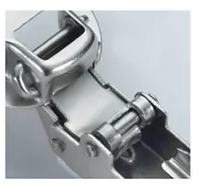
Installing steel hinges properly ensures smooth operation and long-lasting performance. Start by measuring and marking the hinge placement on both the door and the cabinet frame. Use a pencil and a level to ensure accuracy. For butt hinges, mortise the door and frame by chipping out a recess that matches the hinge's thickness. This creates a flush surface, allowing the hinge to sit evenly. Drill pilot holes for the screws to prevent splitting the steel or damaging the surface. Attach the hinge to the door first, then align it with the frame and secure it with screws. For concealed hinges, follow manufacturer instructions, which often involve pre-drilling specific holes and using adjustment screws for perfect alignment. Pivot and continuous hinges may require anchoring at designated points, ensuring the load is distributed evenly. Always double-check the door’s swing and clearance before final tightening.
Proper maintenance extends the lifespan of steel hinges. Regularly inspect hinges for loose screws or signs of wear. Tighten any loose fasteners using the appropriate screwdriver. For hinges exposed to moisture or outdoor elements, clean them periodically with a soft cloth to remove dust, dirt, and corrosive buildup. Use a mild cleaner suitable for steel surfaces—avoid harsh chemicals that could cause corrosion or dull the finish. Apply a light lubricant, such as silicone spray or graphite powder, to moving parts to reduce friction and squeaking. Reapply lubricant every few months, especially in high-use or outdoor environments. If hinges develop stiffness or squeaks, cleaning and lubrication usually resolve the issue. For heavy doors, check alignment regularly and adjust hinges as needed to maintain smooth operation.
Despite their durability, steel hinges can encounter problems over time. Common issues include squeaking, misalignment, loose screws, or rust. Squeaks often result from dirt accumulation or lack of lubrication—clean the hinge and reapply lubricant. Misaligned hinges cause uneven door gaps or improper closing; loosen screws, realign the hinge, then tighten securely. Loose screws are a frequent cause of sagging or wobbling; tighten or replace stripped screws. Rust is a concern in humid or outdoor environments. For stainless steel hinges, clean rust spots with a soft cloth and a mild rust remover or vinegar solution, then apply a protective coating if necessary. For non-stainless steel hinges, consider replacing severely corroded parts to maintain safety and function. Regular upkeep prevents small issues from escalating into major repairs, ensuring your hinges serve reliably for years.
Security is a vital aspect when selecting hinges for steel cabinets, especially in environments where safety, confidentiality, or protection is a priority. Cabinets often store valuable, sensitive, or hazardous items. Weak or easily removable hinges can become a vulnerability, risking theft, tampering, or accidental access. High-security hinges help prevent unauthorized entry, ensuring peace of mind for homeowners, business owners, and security personnel alike.
Steel security hinges incorporate several specialized features to resist tampering and forced removal:
● Non-removable pins: These pins cannot be taken out without damaging the hinge or the door, making it difficult for intruders to dismantle the hinge from outside.
● Interlocking leaves: The hinge leaves are designed to lock together tightly, preventing prying or leverage attempts.
● Concealed fasteners: Screws or bolts are hidden within the hinge, reducing opportunities for tampering or removal.
● Heavy-duty construction: Made from robust steel, these hinges withstand significant force without bending or breaking.
● Tamper-proof design: Some models include reinforced hinges with reinforced welds or specialized locking mechanisms to further enhance security.
These features work together to create a hinge that’s resistant to common attack methods like prying, cutting, or unfastening.
Steel security hinges find their best use in areas requiring high levels of protection:
● Confidential document cabinets: Protect sensitive files from unauthorized access.
● Hazardous material enclosures: Secure cabinets storing chemicals, pharmaceuticals, or dangerous substances.
● High-value equipment storage: Keep expensive electronics or tools safe from theft or tampering.
● Government and military facilities: Secure access points, safes, or vaults where security is critical.
● Financial institutions: Protect cash, valuables, or sensitive data in safes and secure cabinets.
In these settings, the strength and tamper resistance of steel security hinges are essential. They prevent forced entry, reduce the risk of theft, and uphold safety standards.
Choosing the best steel hinge depends on several key factors. First, consider the cabinet type—framed or frameless. Framed cabinets often require hinges compatible with their construction style. Next, look at the door overlay—full, partial, or inset. The hinge must match the door’s positioning to ensure proper function.
The weight of the door plays a big role. Heavy doors demand sturdy hinges like butt or continuous types, which can support the load without sagging or damage. For doors that see frequent use, durability matters. Select hinges with features like soft-close or self-lubricating mechanisms to handle repeated opening and closing smoothly.
Security needs influence hinge choice. For cabinets storing valuables or sensitive materials, opt for security hinges with tamper-resistant features such as non-removable pins and concealed fasteners.
Finally, evaluate the environment. Humid or outdoor environments require corrosion-resistant steel, like stainless steel, to prevent rust and degradation. Indoor, dry spaces may allow for less specialized steel options.
Matching the hinge type to your cabinet’s design ensures both aesthetics and function. For modern, minimalist cabinets, concealed hinges—especially European or invisible mortise types—offer a sleek, seamless look. These hinges are hidden when the door is closed, maintaining clean lines.
Traditional or rustic designs may benefit from exposed butt hinges, which can be finished in various coatings to match hardware or décor. For large, heavy doors, pivot or continuous hinges provide extra support, distributing weight evenly and preventing warping.
In high-security applications, security hinges with non-removable pins and reinforced construction are ideal. They resist tampering and forced removal, safeguarding valuable contents.
Environmental factors heavily influence hinge selection. In coastal or outdoor settings, corrosion resistance becomes critical. Stainless steel hinges withstand moisture, salt, and temperature fluctuations, making them perfect for outdoor furniture, marine applications, or humid environments like kitchens and bathrooms.
In industrial or chemical environments, hinges need additional coatings or specific alloys to resist corrosion and wear. For indoor use, standard steel hinges with appropriate finishes usually suffice.
Temperature extremes also matter. Steel hinges generally perform well across a range of temperatures. However, in very cold conditions, some steel alloys may contract slightly, affecting operation. High-quality stainless steel minimizes this issue, ensuring hinges stay functional regardless of climate.
By carefully considering these factors—cabinet type, door weight, security, and environment—you can select hinges that deliver optimal performance, durability, and style for your project. Consulting with hinge specialists or suppliers can help tailor your choice further, ensuring your cabinets function perfectly over time.
Steel cabinet hinges offer durability, strength, and aesthetic versatility. They resist corrosion and support heavy doors, making them ideal for various environments. When choosing hinges, consider door weight, security needs, and environmental conditions to ensure optimal performance. Future trends in steel hinges focus on enhanced security features and innovative designs. OULA provides high-quality steel hinges that enhance cabinet functionality and style, delivering lasting value. Their products are designed to meet diverse needs, ensuring reliability and satisfaction.
A: A Steel Cabinet Hinge Door uses hinges made from durable steel to ensure longevity and strength, commonly used in cabinetry for various applications.
A: Concealed steel cabinet hinge doors use hidden hinges that provide a sleek look and allow for three-dimensional adjustments for precise alignment.
A: Steel is chosen for cabinet hinges due to its strength, corrosion resistance, and ability to support heavy doors without deforming.
A: Security hinges on steel cabinet hinge doors offer tamper resistance with features like non-removable pins and concealed fasteners, enhancing safety.


