Views: 0 Author: Site Editor Publish Time: 2026-03-23 Origin: Site
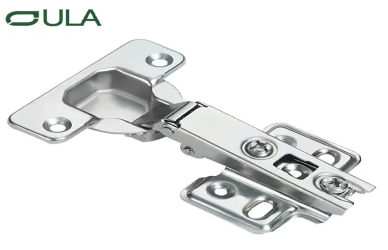
Cold-rolled steel hinges are a popular choice for furniture, especially for their durability, precision, and strength. These hinges are widely used in cabinets, doors, and drawers to ensure smooth and reliable operation. However, like any mechanical component, hinges require proper maintenance to function optimally over time. One of the most crucial aspects of hinge maintenance is lubrication. In this article, we will explore the importance of lubricating cold-rolled steel hinges, the best lubricants to use, and how often you should apply lubricant to extend the lifespan and improve the performance of your hinges.
Lubricating cold-rolled steel hinges plays a vital role in ensuring that they operate smoothly and maintain their longevity. Here’s a breakdown of why lubrication is essential for cold-rolled steel hinges:
Lubrication creates a smooth barrier between the moving parts of the hinge, which helps to reduce friction. Over time, friction causes wear and tear on the hinge components, leading to stiffness, noise, and a reduction in the hinge’s functionality. By applying lubricant, you allow the hinge to move freely, thereby reducing the strain on the mechanism.
Cold-rolled steel is prone to rust and corrosion, especially in areas with high humidity or exposure to moisture. Lubricating the hinge with the right type of oil or grease creates a protective layer that prevents water and oxygen from coming into contact with the steel, reducing the risk of rust. This is particularly important in environments like kitchens, bathrooms, or outdoor areas, where moisture levels can vary.
When hinges are properly lubricated, they work more efficiently and quietly. Without lubrication, hinges can become stiff and difficult to open and close, leading to annoying squeaks and potential damage. Lubrication ensures that the door or drawer moves smoothly and quietly, improving the user experience and preventing unnecessary stress on the hinge.
Lubricating cold-rolled steel hinges provides several benefits that directly impact their performance and lifespan. Let’s take a closer look at the advantages:
Friction between metal parts can cause squeaking or grinding noises, especially when the hinge is used frequently. Lubrication reduces this friction, leading to quieter door or drawer movement. This is particularly useful in spaces like bedrooms or offices, where noise disruption should be minimized.
Cold-rolled steel hinges that are not lubricated will begin to show signs of wear more quickly. As the metal components rub together, they may become deformed, weakening the hinge. Lubrication helps to maintain the integrity of the steel and ensures that the hinge continues to function properly over a longer period of time.
The right lubricant protects cold-rolled steel from rust and corrosion, ensuring that the hinge remains in good condition even in environments with fluctuating moisture levels. Lubrication can significantly extend the lifespan of the hinge, saving you money on replacements and reducing the need for frequent repairs.
Without lubrication, cold-rolled steel hinges can become stiff and may eventually jam. This could lead to difficulty in opening or closing doors, drawers, or cabinets. Regular lubrication ensures that the hinge moves smoothly and easily, preventing jamming and maintaining convenience.
Choosing the right type of lubricant for cold-rolled steel hinges is crucial to ensure optimal performance and long-lasting protection. There are several different types of lubricants available, each with its benefits. Below is a comparison of the most commonly used lubricants for cold-rolled steel hinges:
Lubricant Type | Description | Best For | Advantages | Disadvantages |
Silicone Spray | A fast-drying lubricant that provides a smooth finish. | General household use, light to medium-duty hinges. | Fast-drying, non-oily, water-resistant | Can attract dust and dirt over time. |
WD-40 | A multi-purpose lubricant that displaces moisture. | Outdoor or frequently exposed hinges. | Moisture displacement, rust prevention | May not last as long as thicker oils. |
White Lithium Grease | A thicker lubricant with excellent water resistance. | Heavy-duty applications, high-stress hinges. | Long-lasting, reduces wear and tear | Greasy, requires more frequent cleaning. |
Motor Oil | A common oil used for lubrication, especially for mechanical parts. | Industrial and high-use environments. | Great for heavy-duty hinges, inexpensive | Can drip, leaving residue. |
Graphite Lubricant | A dry lubricant that doesn't attract dirt or dust. | Hinges exposed to high heat. | Doesn't attract dust, high-temperature resistance | May need to be reapplied frequently. |
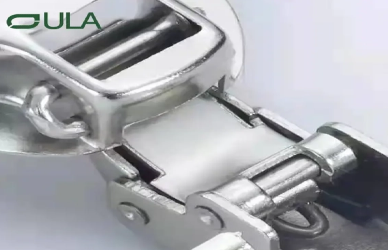
The frequency of lubrication depends on the usage level and environmental conditions in which the cold-rolled steel hinges are used. Below are guidelines to help you determine how often you should lubricate your hinges:
If the hinges are used in low-traffic areas (like bedroom doors or rarely opened cabinets), lubricating them every 6 to 12 months should suffice. These hinges typically don’t experience the same level of wear as those in high-traffic areas.
For doors or cabinets that are opened and closed more frequently, such as in living rooms or offices, it’s recommended to lubricate the hinges every 3 to 6 months to maintain smooth operation and prevent buildup of friction.
In areas with frequent use, such as kitchen doors or commercial settings, hinges should be lubricated every 1 to 3 months. Heavy usage increases friction, and more frequent lubrication helps prevent wear, rust, and stiffness.
In environments with high humidity or exposure to saltwater, such as coastal areas or bathrooms, cold-rolled steel hinges should be lubricated more frequently, about every 2 to 3 months, to prevent rust and corrosion.
Proper lubrication techniques are essential to ensure the longevity and performance of cold-rolled steel hinges. Here’s a step-by-step guide on how to properly lubricate your hinges:
Before applying any lubricant, clean the hinge with a dry cloth or a mild cleaning solution to remove dirt, debris, and old lubricant. This will ensure that the new lubricant is applied to a clean surface.
Based on your hinge's environment and usage, select the appropriate lubricant (silicone spray, WD-40, white lithium grease, etc.). Ensure that the lubricant is designed for metal parts and can handle the expected conditions (humidity, temperature, etc.).
For spray lubricants, spray directly onto the moving parts of the hinge, including the pins, knuckles, and bearings. Avoid spraying excess lubricant around the surrounding surfaces.
For grease, apply a small amount to the hinge with a cloth or applicator and gently rub it into the hinge mechanism. Make sure to cover all moving parts.
Open and close the door or cabinet a few times to allow the lubricant to spread evenly across the hinge. This also helps work the lubricant into the pin and knuckle areas, ensuring smooth movement.
After the hinge is lubricated, wipe away any excess lubricant to prevent dust and dirt buildup. This is especially important when using thicker lubricants like grease.
The best lubricant depends on the environment and usage. For general use, silicone spray is a good choice, while white lithium grease is ideal for heavy-duty applications.
Yes, WD-40 is suitable for lubricating cold-rolled steel hinges, particularly for outdoor use or in areas with high moisture. It helps to displace water and prevent rust, but it may need to be reapplied more frequently.
Common signs include squeaking, difficulty opening or closing, stiffness, or the appearance of rust. Regular lubrication helps avoid these issues and keeps the hinge working smoothly.
Use lubricants that provide rust protection, like WD-40 or white lithium grease. Ensure the hinges are cleaned and dried before lubrication to prevent moisture buildup, which can lead to rust.
Lubricating cold-rolled steel hinges is a crucial part of maintaining their smooth operation, reducing wear and tear, and preventing rust and corrosion. Regular lubrication plays a key role in reducing friction between the moving parts of the hinge, which not only ensures quiet door movement but also prevents stiffness and squeaking over time. By keeping the hinge properly lubricated, you also enhance its longevity, allowing it to function effectively for years, even under heavy use.
Using the correct lubricant is essential, as different environments and hinge uses require specific types of oils, sprays, or greases. Following proper lubrication techniques—such as cleaning the hinge before application, choosing the right lubricant, and applying it in the right amounts—will further maximize the performance of your cold-rolled steel hinges. Regularly maintaining your hinges through lubrication will help to keep them rust-free, ensure they continue to open and close smoothly, and protect them from the damaging effects of friction and environmental factors. With these steps, you can ensure that your hinges maintain optimal performance for years to come, saving you from the cost and hassle of frequent repairs or replacements.


