Views: 0 Author: Site Editor Publish Time: 2025-11-11 Origin: Site

Have you ever wondered what keeps your cabinet doors swinging smoothly for years? Steel cabinet hinge doors are the unsung heroes of both residential and commercial spaces. They offer strength, durability, and seamless operation, making them essential in various applications. In this post, you'll learn about their benefits, common uses, and how to choose the right hinge for your needs.
Steel hinges are small yet vital mechanical components that allow doors, panels, gates, and other structures to pivot or rotate around a fixed point. Made primarily from steel, these hinges leverage the material's strength and resilience to support heavy loads and withstand repeated use. They serve as the essential connection points enabling smooth opening and closing movements in various applications.
A typical steel hinge consists of two main parts: the plates (also called leaves) and the pin. The plates are attached to the door or panel, while the pin acts as the pivot point connecting the two plates. When assembled, the hinge's mechanism allows the door to swing open or shut around the pin, providing controlled movement.
The plates are often designed with holes for screws or bolts, ensuring secure attachment to both the door and the frame. The pin, usually made from steel or other durable materials, runs through the aligned holes in the plates, enabling a smooth rotational motion.
Some steel hinges incorporate additional features such as ball bearings or lubricated bushings. These components reduce friction, enhance smoothness, and extend the hinge's lifespan, especially in high-traffic or heavy-duty settings.
The design of the hinge's mechanism ensures stability, durability, and ease of operation. Depending on the application, hinges may be plain, reinforced, or equipped with special functionalities like soft-close or self-closing mechanisms.
In summary, steel hinges are engineered to combine strength with precision movement, making them indispensable in both residential and industrial environments. Their robust components and mechanisms ensure reliable performance over many years, even under demanding conditions.
Steel hinges are renowned for their exceptional strength. They can support heavy cabinet doors, even in high-traffic areas, without bending or breaking. This robustness makes them ideal for both residential and commercial applications where durability matters most. Whether supporting a large kitchen cabinet or an industrial storage unit, steel hinges maintain their integrity over time.
Steel hinges are built to last. Their resistance to wear and tear surpasses that of hinges made from plastic, brass, or other materials. They withstand frequent use, resist deformation, and maintain their shape even under harsh conditions. This durability minimizes the need for replacements, saving costs and reducing downtime in busy environments.
Many steel hinges come with protective coatings or treatments that enhance their resistance to corrosion and rust. This feature makes them suitable for outdoor use or humid environments like bathrooms and kitchens. Even when exposed to elements like rain, saltwater, or chemicals, steel hinges retain their functionality and appearance, ensuring long-term performance.
Steel hinges are engineered for precise movement. They allow doors, cabinets, and gates to open and close smoothly without sticking or making noise. Features like ball bearings or lubricated bushings further enhance their operation. Smooth functioning not only improves user experience but also reduces mechanical wear, extending the lifespan of the hinge and associated components.
While steel hinges might cost more initially, their longevity offers significant savings over time. They require less maintenance, resist damage, and rarely need replacement. Their reliable performance reduces operational disruptions—especially important in commercial settings. Investing in high-quality steel hinges provides a better return, combining affordability with lasting value.
Steel cabinet hinge doors combine strength, durability, and resistance to environmental factors. They ensure secure, smooth operation for a wide range of applications, from home kitchens to industrial facilities. Their cost-effectiveness over the long term makes them a smart choice for those seeking dependable hardware solutions.
Steel hinge doors are a popular choice for kitchen cabinets. Their strength supports heavy, frequently used doors, ensuring they open smoothly over many years. Concealed steel hinges are especially common here, creating a sleek, seamless look. Soft-close options prevent slamming, protecting both the cabinet and user. These hinges also resist wear from moisture and temperature changes, making them ideal for kitchen environments.
Bathrooms are humid, which can cause many materials to corrode or warp. Steel hinge doors with corrosion-resistant coatings stand up well against moisture. They support bathroom cabinets and cupboards, allowing easy access while maintaining durability. Soft-close and self-closing hinges are popular here, preventing noise and accidental slamming, which is especially helpful in shared or busy households.
Steel hinge doors are widely used in various storage solutions around the home. From closets and laundry rooms to garage cabinets, their durability ensures long-lasting performance. Heavy-duty steel hinges support large, weighty doors, while concealed hinges keep a clean look. These doors often feature smooth operation, making daily access effortless. Their robustness reduces the need for frequent repairs, saving homeowners money over time.
Steel cabinet hinge doors play a vital role beyond residential spaces. In commercial and industrial settings, their strength, reliability, and versatility make them indispensable components for various applications.
In offices, steel hinge doors are common on filing cabinets, storage units, and server racks. These hinges support doors that often contain sensitive or valuable equipment. Their durability ensures smooth operation even with frequent use. Concealed hinges are popular here because they keep the appearance sleek and professional. Soft-close options prevent slamming, reducing noise and protecting delicate contents inside. The hinges' stability enhances security, preventing unauthorized access or accidental openings.
Industrial environments demand hinges that can withstand harsh conditions, heavy loads, and continuous operation. Steel hinges on large storage cabinets, warehouse doors, or machinery enclosures must resist impact, vibration, and corrosion. Heavy-duty ball-bearing hinges or continuous hinges are often used for these applications, providing extra support and longevity. Their corrosion-resistant coatings ensure they perform well even in dusty, humid, or chemical-rich environments. These hinges contribute to operational safety and efficiency, minimizing downtime caused by hardware failures.
Steel hinges are crucial for security-related structures like gates, fences, and safety enclosures. They support heavy, high-security doors that require reliable, tamper-proof movement. In such applications, hinges are often reinforced with additional features like anti-pry plates or security pins. Their robust construction prevents forced entry, while their resistance to environmental factors ensures long-term performance. For safety installations, hinges must operate smoothly under demanding conditions, maintaining the integrity of security measures without fail.
In all these environments, selecting the right hinge type is essential. Heavy-duty hinges with ball bearings or lubricated bushings provide smoother, quieter operation and extend lifespan. The material and finish should match the environment—stainless steel for corrosive settings, reinforced steel for impact-prone areas. Proper installation and maintenance also play roles in ensuring hinges perform optimally over years.
Steel cabinet hinge doors in commercial and industrial spaces offer unmatched support for heavy, high-use, and security-critical applications. Their proven strength and adaptability make them a backbone of many operational facilities.
Concealed hinges, also known as European hinges, are hidden when the cabinet door is closed. They are popular in modern kitchen and furniture designs because they give a clean, seamless look. These hinges are mounted inside the cabinet and door, making them invisible from the outside. They offer excellent adjustability, allowing you to fine-tune the door alignment after installation. Many concealed hinges come with soft-close features, preventing doors from slamming shut, which extends cabinet lifespan and reduces noise.
Advantages:
● Hidden for a sleek appearance
● Adjustable in multiple directions
● Often include soft-close mechanisms
Limitations:
● Slightly more complex to install
● Usually cost more than traditional hinges
Soft-close hinges are a subset of concealed hinges equipped with hydraulic or pneumatic dampers. They allow cabinet doors to close smoothly and quietly without slamming. These hinges are especially valued in kitchens, bathrooms, and furniture where noise reduction and gentle closure matter. The hydraulic mechanism absorbs the closing force, protecting both the hinge and the door from damage over time.
Advantages:
● Quiet, smooth closing
● Prevents wear and tear
● Child-safe and reduces accidents
Limitations:
● Higher initial cost
● Precise alignment needed for optimal performance
Self-closing hinges automatically shut the cabinet door after opening. They are ideal in high-traffic areas like kitchens, where keeping doors closed is essential. These hinges typically have a spring mechanism that pulls the door closed once it reaches a certain angle. They are available in both concealed and visible styles, making them versatile for various cabinet designs.
Advantages:
● Ensures doors are always closed
● Improves safety and security
● Useful in busy environments
Limitations:
● Can cause slamming if not combined with soft-close features
● May wear out over time if heavily used
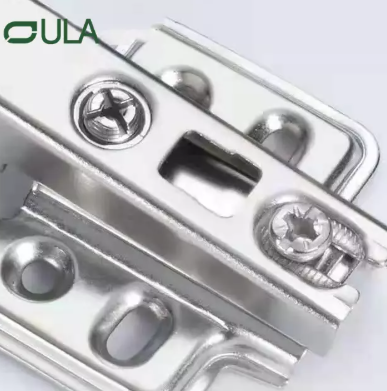
Selecting the correct steel hinge begins with understanding your specific needs. First, assess the size and weight of the door or panel. Heavy doors—like industrial gates or large cabinets—require hinges with higher load capacities, such as ball-bearing or continuous hinges. Conversely, lightweight doors or furniture can use smaller, simpler hinges like butt or flush hinges.
Next, consider the application environment. Outdoor or humid settings demand corrosion-resistant materials like stainless steel or hinges with protective coatings. Indoor applications may allow for standard steel hinges, which are more cost-effective but still durable.
The hinge type also depends on how much adjustability you want. Concealed hinges offer fine-tuning options, making them suitable for high-precision applications. Soft-close and self-closing hinges are ideal for environments where noise reduction or automatic closure enhances functionality.
Finally, think about the frequency of use. High-traffic areas, such as commercial kitchens or industrial facilities, benefit from hinges designed for durability and smooth operation, like ball-bearing or reinforced hinges.
Cost considerations play a vital role. Basic steel hinges tend to be affordable, making them perfect for projects with budget constraints. They also offer good strength and longevity. However, specialized hinges—like soft-close or concealed types—cost more upfront but provide added benefits.
For example, soft-close hinges prevent slamming, reducing wear and tear on doors. Concealed hinges give a sleek look and allow for precise adjustments. Self-closing hinges ensure doors stay shut, useful in security-sensitive or high-traffic areas.
Investing in high-quality hinges often results in lower maintenance costs and longer lifespan. For instance, stainless steel hinges resist rust longer, reducing replacement frequency, especially in outdoor or humid environments.
In summary, balancing initial costs with long-term benefits ensures you select hinges that deliver value over time. Prioritize durability, functionality, and environmental suitability to make the best choice.
Proper maintenance extends hinge lifespan significantly. Regularly inspect hinges for signs of wear, such as squeaking, looseness, or rust. Lubricate moving parts—like pins and pivots—with silicone spray or light oil every six months to keep operation smooth.
Keep hinges clean from dust, dirt, and debris. Use a soft cloth or brush to remove grime, especially from concealed or hard-to-reach areas. For hinges exposed to moisture, apply rust-resistant coatings or touch-up paints as needed.
Tighten loose screws promptly. If screws strip or become loose, reinforce the hole with wood filler or use larger screws. For heavily corroded hinges, replacement is often the best option to maintain safety and functionality.
Finally, choose hinges suited for your specific usage pattern. Heavy-duty hinges in high-traffic areas might require more frequent lubrication or inspection. Proper care ensures hinges perform reliably, saving money and avoiding disruptions.
Steel cabinet hinge doors are vital in both residential and commercial settings, offering strength, durability, and smooth operation. These hinges support various applications, from kitchen cabinets to industrial storage solutions, ensuring reliable performance. Future innovations in hinge technology may enhance functionality and longevity. Choosing high-quality hinges like those from OULA ensures lasting value and efficiency, meeting diverse needs and environmental conditions.
A: A Steel Cabinet Hinge Door is a door that uses steel hinges for attachment, providing strength and durability, ideal for various residential and commercial applications.
A: Steel Cabinet Hinge Doors feature hinges made from robust steel, which supports heavy loads and resists wear, ensuring long-lasting performance even in high-traffic areas.
A: Despite a higher initial cost, Steel Cabinet Hinge Doors offer long-term savings due to their durability, reduced maintenance, and minimal replacement needs.
A: Regularly lubricate the hinges, clean them to remove debris, tighten loose screws, and apply rust-resistant coatings to maintain Steel Cabinet Hinge Doors.


