Views: 0 Author: Site Editor Publish Time: 2026-03-17 Origin: Site
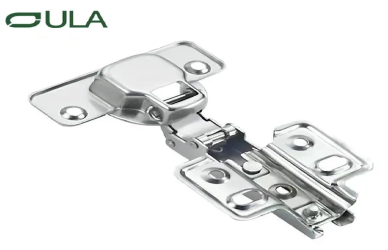
Cold-rolled steel hinges are a popular choice in furniture hardware due to their strength, precision, and cost-effectiveness. These hinges are made from steel that undergoes a cold-rolling process, which enhances the material’s durability, making it an excellent option for various furniture applications, including doors, cabinets, and drawers. They are especially valued for their smooth finish and ability to withstand wear over time.
When it comes to heavy cabinet doors, selecting the right hinge is crucial. Heavy doors put significant stress on hinges, requiring them to support the weight and ensure smooth functionality without compromising their performance. The right hinge, particularly one made from durable cold-rolled steel, ensures stability, longevity, and proper door operation. Choosing a hinge with the correct load-bearing capacity and design is essential for maintaining the door's functionality and avoiding premature wear or failure.
Cold-rolled steel is steel that is processed at room temperature, which gives it enhanced strength and a smoother finish compared to hot-rolled steel. The cold-rolling process involves passing the steel through rollers at room temperature to reduce its thickness, making it more precise and uniform. This process results in a steel that is stronger and denser, making it ideal for applications where durability and a smooth surface are essential.
Cold-rolled steel is widely used for hinges because of its strength, resistance to wear, and ability to be molded into precise shapes. These properties make it particularly well-suited for the daily stresses and friction experienced by hinges. Additionally, cold-rolled steel can be easily coated with rust-resistant finishes, further improving its durability in various environments.
Cold-rolled steel is stronger than hot-rolled steel due to its increased density from the cold-working process. This makes it more resistant to deformation, ensuring that the hinge maintains its shape and function even under heavy load. Additionally, cold-rolled steel is less prone to rust and corrosion, especially when coated with protective layers like nickel or chrome. The material’s smooth surface reduces friction, extending the lifespan of both the hinge and the door it supports.
The ability of a cold-rolled steel hinge to support a heavy cabinet door depends on several factors:
Material Thickness:
Thicker steel tends to be stronger and more capable of handling heavier loads. The thicker the hinge material, the more weight it can support without bending or deforming.
Hinge Size and Design:
The overall size and shape of the hinge, including its width and length, contribute to its strength. Larger hinges with a greater surface area can distribute the weight of the door more evenly, preventing undue stress on any one part of the hinge.
Quality of the Steel:
High-quality cold-rolled steel with fewer impurities is generally stronger and can handle more weight without compromising its structural integrity.
Surface Coating:
A durable coating, such as nickel or chrome plating, can increase the strength and wear resistance of the hinge, allowing it to better handle heavy doors in challenging environments (like high humidity or outdoor exposure).
The design of the hinge is crucial in determining its load-bearing capacity:
Number of Pins:
Hinges with more pins can distribute the weight of the door more evenly, reducing the risk of the hinge failing under heavy load. More pins allow for smoother rotation and a stronger connection between the door and the frame.
Thickness of the Hinge Plates:
A thicker hinge plate offers more strength and stability, making it better suited for heavy doors. The added thickness reduces the likelihood of bending or twisting, which can occur under heavy weight.
Pin and Knuckle Design:
The design of the pins and knuckles (the moving parts of the hinge) plays a significant role in weight distribution. A well-designed pin and knuckle system ensures smoother operation and better load handling, which is especially important for heavy doors.
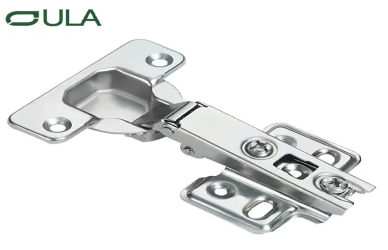
To enhance the performance of cold-rolled steel hinges for heavy doors, applying surface treatments and coatings is crucial. These treatments protect the hinges from corrosion, wear, and environmental factors, thereby improving their durability and load-bearing capacity. Some of the most effective coatings include:
Nickel Plating:
Nickel plating forms a smooth, corrosion-resistant layer on the steel, which enhances its resistance to rust and wear. This coating is ideal for environments with high humidity or exposure to moisture, as it prevents oxidation and ensures longevity.
Chrome Plating:
Chrome plating provides an extremely durable, hard surface that resists corrosion, scratches, and general wear. The glossy finish not only improves the hinge’s appearance but also adds strength to handle heavy doors.
Zinc Coating:
Zinc plating offers rust resistance by creating a protective barrier on the hinge surface. Zinc also acts as a sacrificial anode, corroding first and protecting the underlying steel.
Powder Coating:
Powder coating provides a thick, durable finish that protects against corrosion, UV degradation, and mechanical wear. It’s especially beneficial for outdoor or industrial applications where hinges are exposed to harsh conditions.
Correct installation of cold-rolled steel hinges is essential for ensuring they perform effectively and can bear the weight of heavy doors. Here are key installation tips:
Correct Placement and Alignment:
Ensuring the hinge is installed at the correct height and alignment helps evenly distribute the weight of the door. Misalignment can lead to stress concentration on one part of the hinge, potentially causing failure.
Use of Multiple Hinges:
For particularly heavy doors, using multiple hinges can distribute the load more effectively. Placing hinges at strategic points along the door reduces the strain on any single hinge, preventing bending or twisting.
Proper Screws and Fasteners:
Using screws that are the correct length and material ensures that the hinge is securely attached to both the door and the frame. Screws that are too short or weak can cause the hinge to pull away, compromising its load-bearing capacity.
Reinforcing the Door Frame:
Reinforcing the door frame where the hinges are installed can further improve load distribution. A reinforced frame helps prevent warping and ensures the hinges stay securely attached over time.
While cold-rolled steel hinges are a solid choice for heavy doors, there are other materials that might offer advantages depending on the specific requirements of the application.
Stainless Steel Hinges:
Stainless steel is highly resistant to corrosion and can handle heavy loads with ease. It’s particularly well-suited for applications exposed to moisture, such as outdoor or industrial doors. Stainless steel hinges tend to be stronger and more resistant to wear compared to cold-rolled steel, making them ideal for high-stress environments. They also offer a sleek, modern appearance, which is advantageous for decorative furniture pieces.
Pros:
Exceptional corrosion resistance
Higher strength than cold-rolled steel
Suitable for outdoor or wet environments
Cons:
Typically more expensive than cold-rolled steel
Can be prone to scratching or marking
Brass Hinges:
Brass is a more decorative material that offers a unique appearance with a warm, gold-like finish. While not as strong as cold-rolled or stainless steel, brass hinges can still handle moderate loads and are often used for furniture and interior doors. Brass is naturally corrosion-resistant, but for heavy-duty applications, brass may not provide the same level of durability as cold-rolled or stainless steel.
Pros:
Aesthetically appealing, ideal for decorative furniture
Naturally resistant to corrosion
Cons:
Weaker than cold-rolled steel and stainless steel
Not suitable for very heavy doors
Aluminum Hinges:
Aluminum hinges are lightweight and corrosion-resistant, making them suitable for doors that don’t require the high strength of steel. Aluminum is a good option for lightweight applications and can be reinforced with coatings to increase strength. However, it may not be ideal for very heavy doors as it lacks the inherent strength of steel.
Pros:
Lightweight and easy to handle
Corrosion-resistant and cost-effective
Cons:
Not suitable for heavy-duty use without reinforcement
Weaker than steel
Explains the key factors that influence the ability of cold-rolled steel hinges to support heavy doors, including design and material thickness.
Offers practical tips for ensuring hinges are properly installed, maintained, and suited for heavy doors.
Discusses the suitability of cold-rolled steel hinges for outdoor heavy doors and the impact of weather conditions.
Highlights the advantages of using cold-rolled steel hinges, including strength, cost-effectiveness, and versatility for heavy-duty applications.
Cold-rolled steel hinges are a reliable and durable solution for handling heavy cabinet doors. Due to their strength, precise dimensions, and ability to withstand frequent use, they are well-suited for supporting heavy doors when properly designed and installed. With the right surface treatments, such as nickel, chrome, or zinc plating, cold-rolled steel hinges can resist rust and wear, ensuring long-lasting performance even in challenging environments. To select the right hinge for your specific door weight and use case, it’s important to evaluate the door’s weight, use multiple hinges for better load distribution, and choose hinges with suitable surface coatings for enhanced corrosion resistance. Additionally, proper installation and alignment, along with reinforcing the door frame, will ensure the hinge can bear the weight of the door effectively. By considering these factors, you can confidently choose the right cold-rolled steel hinge that will provide reliable support and functionality for heavy cabinet doors.


