
Views: 0 Author: Site Editor Publish Time: 2026-03-16 Origin: Site


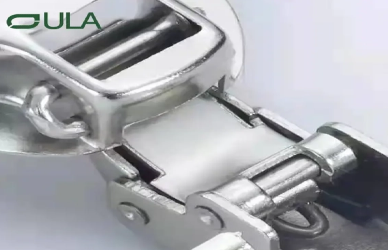
Cold-rolled steel hinges are a popular choice in furniture hardware due to their strength, durability, and precise dimensions. These hinges are made from steel that is processed at room temperature, allowing for a smoother finish and increased strength compared to hot-rolled steel. They are commonly used in a variety of furniture applications, including cabinets, doors, and drawers, offering a reliable solution for smooth movement and secure closure. The quality and durability of hinges are crucial for ensuring the long-term functionality and aesthetic appeal of furniture. High-quality hinges can withstand frequent use, resist wear and tear, and maintain their performance over time, making them an essential component in both residential and commercial furniture.
Cold-rolled steel is a type of steel that is processed at room temperature, below its recrystallization point, which is typically around 1,100°F (593°C). This process involves rolling the steel through rollers to reduce its thickness and improve its surface finish. The cold-working process gives the steel a smoother surface and more precise dimensions compared to hot-rolled steel, making it ideal for applications that require a high level of accuracy and finish, such as furniture hinges.
The manufacturing process of cold-rolled steel starts with hot-rolled steel coils, which are then cooled and passed through a series of rollers at room temperature. This cold deformation increases the strength and hardness of the steel through strain hardening. After the steel is rolled to the desired thickness, it may be subjected to additional processes such as annealing (a heat treatment process to relieve internal stresses) or coating to enhance its surface properties.
Temperature:
Cold-rolled steel is processed at room temperature, while hot-rolled steel is processed at high temperatures (above 1,700°F or 926°C).
Surface Finish:
Cold-rolled steel has a smoother, more polished surface due to the cooling process, whereas hot-rolled steel has a rougher, scale-covered surface.
Precision:
Cold-rolled steel offers more precise dimensions and tighter tolerances compared to hot-rolled steel, which is typically less precise.
Strength:
Cold-rolled steel is stronger and harder than hot-rolled steel due to the strain hardening that occurs during the cold-working process.
Applications:
Cold-rolled steel is used for applications requiring high strength and a smooth finish, such as furniture, automotive parts, and precision machinery. Hot-rolled steel is typically used for large-scale structural projects like beams and construction materials.
Cold-rolled steel is naturally prone to rust and corrosion when exposed to moisture and oxygen due to the iron content in the material. However, its inherent rust resistance is slightly better than that of hot-rolled steel because the cold-rolling process increases the strength and density of the material. Despite this, untreated cold-rolled steel still requires additional measures to prevent rusting, especially in environments with high humidity or exposure to water.
To enhance the rust resistance of cold-rolled steel hinges, surface treatments such as nickel plating or chrome plating are often applied. These coatings create a protective layer on the steel surface, preventing direct contact with moisture and oxygen, which are the primary causes of rust. Here’s how these treatments work:
Nickel Plating:
Nickel plating involves applying a thin layer of nickel to the steel surface. This layer acts as a barrier, preventing moisture from reaching the steel beneath and significantly improving the rust resistance. Nickel-plated steel is highly resistant to corrosion and can withstand harsh environments, making it an ideal choice for outdoor or high-humidity applications.
Chrome Plating:
Chrome plating provides a glossy, durable finish that offers superior corrosion resistance. The chrome layer forms a strong, impervious shield that protects the steel from rust and oxidation. In addition to rust protection, chrome plating also enhances the appearance of the steel, providing a shiny, aesthetically pleasing finish. Chrome-plated steel is commonly used in decorative and high-performance applications, such as automotive parts and premium furniture hardware.
Other Surface Treatments:
Additional surface treatments, such as powder coating or galvanization, can further improve the rust resistance of cold-rolled steel. Powder coating provides a durable, smooth finish that resists corrosion, while galvanization (zinc coating) offers an effective, long-lasting barrier against rust.
Even with surface treatments, cold-rolled steel hinges require regular maintenance to ensure their rust resistance over time. Environmental factors, such as saltwater or extreme temperatures, can wear down protective coatings, making it necessary to periodically clean and lubricate the hinges. This helps to maintain the integrity of the protective layer and prevents moisture from penetrating the surface. Regular checks and maintenance can greatly extend the lifespan of cold-rolled steel hinges, ensuring they continue to perform at their best in both functional and aesthetic terms.
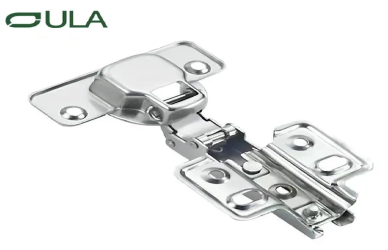
Cold-rolled steel hinges are strong and durable but need extra measures to prevent rust, especially in harsh conditions. Enhancing rust resistance involves surface coatings and regular maintenance.
Surface coatings provide a protective barrier, preventing moisture and corrosive agents from affecting the steel. Common surface treatments include:
Plating (Nickel, Chrome, or Zinc):
Nickel Plating: Adds a smooth, corrosion-resistant layer, ideal for humid or outdoor conditions.
Chrome Plating: Offers excellent rust protection and an attractive finish, reducing oxidation.
Zinc Plating: Protects steel by acting as a sacrificial layer that corrodes before the steel.
Powder Coating:
A durable coating applied by heat curing, powder coating provides strong protection against corrosion, scratches, and weathering, making it ideal for outdoor or high-humidity environments.
In addition to coatings, maintenance and lubrication are vital to prevent rust and ensure longevity:
Cleaning:
Regularly clean hinges with a soft cloth and mild cleaner to remove dirt and moisture.
Lubrication:
Apply silicone-based sprays or petroleum jelly to create a moisture barrier and ensure smooth operation.
Inspection and Touch-ups:
Regularly check for damage to the surface coating and apply touch-ups to prevent rust from forming.
Environmental Protection:
In humid or coastal areas, extra precautions, like protective covers, can help reduce rust risk.
Cold-rolled steel hinges are most effective in controlled indoor environments where humidity and exposure to corrosive elements are minimal. These hinges perform best in areas with moderate temperatures and dry conditions, such as:
Indoor Furniture:
Cold-rolled steel hinges are ideal for use in cabinets, drawers, and doors in homes or offices where they are shielded from extreme weather conditions and direct exposure to moisture.
Climate-Controlled Environments:
In spaces with regulated temperature and humidity, like air-conditioned rooms or controlled storage areas, cold-rolled steel hinges maintain their integrity and resist corrosion over time.
Low-Humidity Settings:
Dry environments, such as living rooms or bedrooms, where the air is not saturated with moisture, are perfect for ensuring the longevity of cold-rolled steel hinges.
Cold-rolled steel hinges are vulnerable to corrosion when exposed to high humidity or salty environments due to the following reasons:
High Humidity:
In humid environments, moisture in the air can condense on metal surfaces, leading to rust formation. Cold-rolled steel, while strong, lacks natural corrosion resistance, so moisture can cause oxidation, especially if the surface coating wears off.
Salty Environments:
Salt accelerates corrosion by acting as an electrolyte, which speeds up the electrochemical reaction that leads to rusting. In coastal areas or near saltwater, the presence of salt in the air can rapidly deteriorate cold-rolled steel hinges, even if they are coated.
Surface coatings like nickel, chrome, or zinc plating create a protective layer on cold-rolled steel hinges, preventing moisture and corrosive elements from directly contacting the metal. This significantly enhances the rust resistance, making the hinges more durable and suitable for both indoor and outdoor environments. The added coating also improves the aesthetic appearance of the hinges and increases their longevity, ensuring they perform well over time without corroding.
Cold-rolled steel hinges are not naturally resistant to rust in high humidity environments. Humid conditions cause moisture to settle on metal surfaces, leading to oxidation. To ensure longevity in such environments, it's important to use coated hinges (such as nickel or chrome-plated) and apply regular maintenance, such as cleaning and lubrication, to keep moisture at bay. In highly humid areas, it’s also advisable to use protective covers or move hinges to climate-controlled spaces.
In outdoor conditions, cold-rolled steel hinges are vulnerable to rust and deterioration due to exposure to moisture, rain, and extreme temperatures. The lifespan of these hinges can vary depending on the surface treatment applied, but in general, uncoated cold-rolled steel may last around 3-5 years before showing signs of corrosion. Hinges with protective coatings, such as zinc or chrome plating, can last longer, even up to 10 years, provided regular maintenance is done to prevent rust.
To keep cold-rolled steel hinges rust-free, regular cleaning is essential to remove dirt and moisture buildup. Use a soft cloth and mild cleaner to wipe the hinges, and ensure they are kept dry. Lubrication is important to prevent moisture from settling on the metal surface and to keep the hinges functioning smoothly. Additionally, performing inspections to identify any damage to the protective coating and applying touch-ups can help avoid rust. In humid or outdoor conditions, using protective covers or storing the hinges in dry environments further prolongs their lifespan.
Cold-rolled steel hinges offer a solid combination of strength, durability, and precision, but their rust resistance can be limited in certain environments. While they are more resistant to corrosion than hot-rolled steel, they still require surface treatments such as nickel or chrome plating to enhance their rust resistance, especially in humid or salty conditions. To extend the lifespan and performance of cold-rolled steel hinges, regular maintenance is essential. This includes cleaning to remove moisture and debris, lubricating to prevent friction and rust, and inspecting for any damage to the protective coating. In environments with high humidity or exposure to salt, additional protective measures, such as powder coating or environmental shields, can further enhance the hinges' longevity. With proper care and the right surface treatments, cold-rolled steel hinges can maintain their functionality and appearance for many years.


